



Tax and accounting in Canada revolve around compliance with the Canada Revenue Agency (CRA) and provincial tax authorities, using either cash or accrual accounting methods depending on the nature of the business. Key elements include personal and corporate income tax, GST/HST and provincial sales taxes, payroll deductions, and strict record‑keeping obligations. Working with a professional firm like BOMCAS Canada Accounting helps ensure you stay compliant while legally minimizing your tax burden and keeping your financial reporting accurate.
BOMCAS Canada provides full‑service tax, accounting, bookkeeping, and advisory support to individuals, sole proprietors, partnerships, and corporations across the country. Whether you are just starting a small business or managing a growing corporation, BOMCAS Canada can handle both your day‑to‑day compliance and strategic tax planning needs.
How the Canadian Tax System Works
Self‑Assessment Tax System
Canada’s tax system is built on self‑assessment. This means:
- Individuals and businesses are responsible for calculating their own income, claiming deductions and credits, and reporting the correct tax owing.
- Returns must be filed on time, and any balances must be paid by the required deadlines.
- The CRA reviews filed returns and may request supporting documents or conduct audits if anything appears incomplete or inconsistent.
Because the onus is on the taxpayer, accurate bookkeeping, organized records, and professional guidance are critical. BOMCAS Canada helps clients set up systems that make compliance smoother, reduce errors, and lower the risk of costly reassessments or penalties.
Personal Income Tax in Canada
Canadian residents are taxed on their worldwide income. Personal tax is reported annually on the T1 return and includes:
- Employment income
- Self‑employment and business income
- Rental income
- Interest, dividends, and other investment income
- Capital gains from the sale of property or investments
The combined federal and provincial/territorial tax system uses progressive tax brackets, so higher income is taxed at higher marginal rates. Taxpayers can reduce their liability by claiming deductions and credits such as:
- RRSP contributions
- Childcare expenses
- Medical expenses
- Tuition and education‑related amounts (where applicable)
- Disability‑related credits
- Various non‑refundable tax credits
Self‑employed individuals and sole proprietors report their business results on a special form attached to the T1 return. BOMCAS Canada assists with both the bookkeeping throughout the year and the preparation of complete and accurate personal tax filings.
Key personal tax deadlines:
- Most individuals: return due April 30 of the following year.
- Self‑employed individuals and their spouses/common‑law partners: return due June 15, but any tax owing must still be paid by April 30.
Corporate Income Tax in Canada
Corporations (including small, privately held companies) must file an annual T2 corporate income tax return, even if there is no tax payable. Corporate taxation is separate from the shareholders’ personal tax and involves:
- Calculating net income for tax purposes
- Applying federal and provincial corporate tax rates
- Claiming allowable deductions, capital cost allowance (tax depreciation), and available credits
- Managing loss carryforwards and other tax attributes
There are different tax rates for:
- Small business active income (which may qualify for the small business deduction)
- General corporate income
- Investment income within a corporation
Key corporate deadlines:
- T2 return filing: generally six months after the fiscal year‑end.
- Balance of tax owing: usually due within two or three months after year‑end, depending on the type of corporation and size of its taxable income.
BOMCAS Canada handles full corporate year‑end engagements, including financial statements, T2 returns, and planning for optimal salary/dividend combinations for owner‑managers.
Sales Taxes: GST, HST, and Provincial Sales Taxes
Canada uses a combination of federal and provincial sales taxes:
- GST (Goods and Services Tax): federal value‑added tax at 5%.
- HST (Harmonized Sales Tax): combined federal and provincial tax administered together in certain provinces, resulting in rates up to 15%.
- PST / QST / RST: stand‑alone provincial sales taxes in some provinces, charged in addition to GST.
Businesses must generally register for GST/HST when their taxable supplies exceed a specific small‑supplier threshold over a rolling 12‑month period. Once registered, they must:
- Charge GST/HST on taxable sales
- File returns on the assigned reporting frequency (monthly, quarterly, or annually)
- Remit net tax to the government (tax collected minus input tax credits on eligible expenses)
In provinces with separate PST or QST systems, there are additional registration and reporting rules. BOMCAS Canada helps businesses determine when they must register, what to charge customers, how to structure invoices, and how to claim input tax credits correctly.
Payroll Deductions and Employer Responsibilities
Employers in Canada have important payroll obligations. With each pay run, employers must:
- Deduct income tax, Canada Pension Plan (CPP) contributions, and Employment Insurance (EI) premiums from employees’ pay.
- Make corresponding employer contributions for CPP and EI.
- Remit these amounts on a regular schedule to the government.
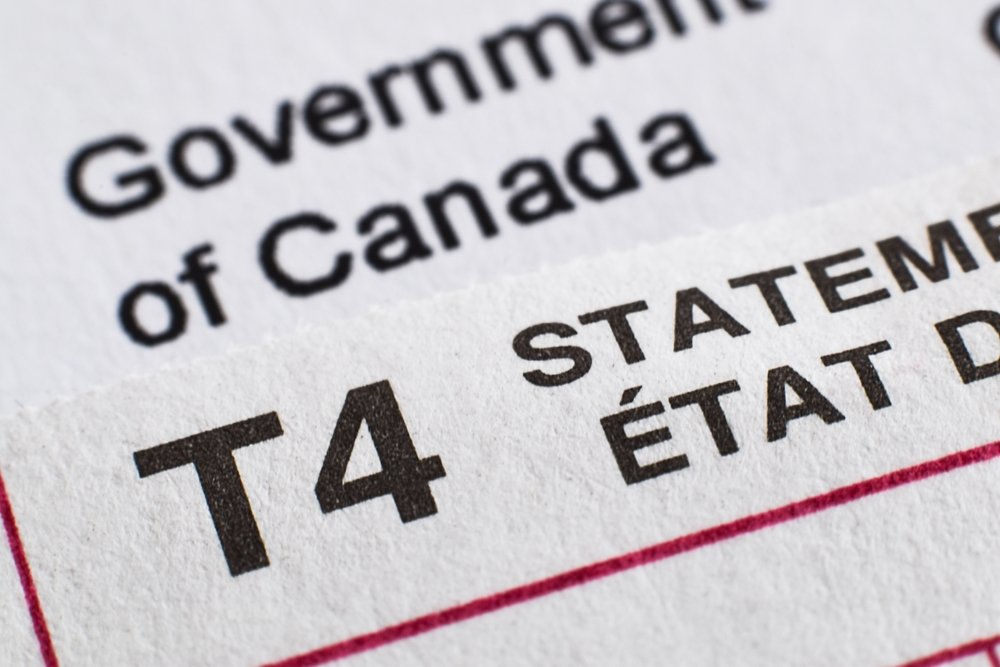
- Keep accurate payroll records and issue T4 slips and a T4 summary by the end of February each year for the previous calendar year.
Depending on the province and size of payroll, employers may also be responsible for:
- Employer health taxes or payroll taxes
- Workers’ compensation premiums
BOMCAS Canada provides payroll setup and processing services, ensuring withholdings are correct, remittances are on time, and year‑end slips are prepared accurately.
Accounting Methods: Cash vs. Accrual in Canada
From an accounting perspective, Canadian businesses typically use one of two methods:
- Cash accounting: revenue and expenses are recorded when cash is actually received or paid. This may be permitted for certain smaller or specific types of businesses for tax reporting.
- Accrual accounting: revenue is recorded when earned and expenses when incurred, regardless of when cash changes hands. This is the standard for financial reporting and is often required for larger or more complex businesses.
For external financial statements prepared under Canadian standards, accrual accounting is the norm. BOMCAS Canada advises clients on which method is appropriate for tax and financial reporting and ensures that the chosen method is applied consistently.
Accounting Standards in Canada: ASPE and IFRS
For financial reporting, Canadian businesses follow recognized standards:
- Accounting Standards for Private Enterprises (ASPE): commonly used by privately owned Canadian companies that do not have public accountability.
- International Financial Reporting Standards (IFRS): required for publicly accountable entities such as publicly traded companies and certain financial institutions.
- Other frameworks exist for not‑for‑profit organizations and public sector entities.
These standards govern how transactions are recognized, measured, and presented in financial statements. BOMCAS Canada prepares financial statements complying with the appropriate framework and tailored to the needs of owners, lenders, and other users.
Types of Accounting Engagements
Canadian accounting firms offer different levels of assurance and reporting:
- Bookkeeping / internal reporting: ongoing recording of transactions, reconciliations, and internal management reports.
- Compilation (Notice to Reader): the accountant compiles financial information provided by management into financial statements, without providing assurance.
- Review engagements: limited assurance based on inquiries and analytical procedures.
- Audit engagements: higher level of assurance based on detailed testing of transactions and balances.
The desired level depends on lender requirements, investor expectations, regulatory needs, and the complexity of the business. BOMCAS Canada supports everything from basic bookkeeping to more formal year‑end engagements.
Core Accounting Services in Canada
Bookkeeping and Day‑to‑Day Support
Professional bookkeeping ensures that all financial activity is properly recorded and categorized. Typical services include:
- Recording sales, purchases, and expenses
- Reconciling bank and credit card accounts
- Managing accounts receivable and accounts payable
- Tracking fixed assets and depreciation
- Preparing and filing GST/HST and PST returns
- Running payroll and managing related remittances
BOMCAS Canada uses modern, cloud‑based accounting systems where appropriate, giving clients up‑to‑date financial information and easier collaboration with their accountant.
Financial Reporting and Year‑End
At year‑end, businesses need clear and accurate financial statements. BOMCAS Canada prepares:
- Statements of financial position (balance sheets)
- Statements of income (profit and loss)
- Statements of cash flows
- Supporting schedules and notes, tailored to the reporting framework and user needs
These reports form the foundation for corporate tax returns, banking discussions, and strategic business decisions.
Tax Planning and Strategy
Effective tax planning reduces tax liability legally while supporting long‑term financial goals. BOMCAS Canada offers:
- Personal tax planning for professionals, employees, and business owners
- Corporate tax planning for small and medium‑sized enterprises
- Strategies around salary vs. dividends for owner‑managers
- GST/HST optimization and assistance with multi‑province tax obligations
- Planning for capital gains, business sales, and use of available exemptions
- Succession and estate planning for business owners
The goal is to align tax strategies with business growth, cash flow, retirement goals, and family objectives.
Professional Qualifications and Fees
CPA Designation in Canada
Many accountants offering tax and assurance services in Canada are Chartered Professional Accountants (CPAs). To become a CPA, individuals typically:
- Complete the required education and prerequisite courses
- Finish the CPA Professional Education Program and a multi‑day final examination
- Obtain several years of relevant practical experience
- Commit to ongoing professional development and adhere to a strict code of ethics
Public practice firms and practitioners are regulated by provincial CPA bodies and must maintain appropriate licensing and insurance.
Typical Accounting Fees
Fees for professional accounting services in Canada depend on:
- Complexity of the work
- Size and industry of the client
- Region and firm structure
- Level of expertise required
It is common for professional services from CPAs to be billed:
- By the hour, often in the range of 150–400 CAD per hour for specialized tax and accounting services
- As flat fees for specific tasks such as annual personal returns, corporate year‑end packages, GST/HST filings, or bookkeeping bundles
BOMCAS Canada provides transparent pricing, with options for one‑time engagements and ongoing monthly service packages tailored to individual and business clients.
Record‑Keeping and Document Retention in Canada
General Retention Periods
Canadian businesses and individuals must keep adequate books and records to support all amounts reported on their tax returns. In general, records should be retained for six years from the end of the last tax year they relate to.
Documents to keep include:
- Invoices and receipts
- Bank and credit card statements
- Contracts and agreements
- Payroll records
- Tax returns and notice of assessment or reassessment letters
- Sales tax filings and support for GST/HST and PST returns
If returns are filed late, amended, or under objection/appeal, records may need to be kept longer. For capital property such as real estate and investments, documents tied to the purchase, improvements, and sale should be kept for the entire ownership period plus several years afterward, to support capital gains calculations.
BOMCAS Canada helps clients design record‑keeping systems that are efficient, compliant, and ready for a potential CRA review or audit.
Work with BOMCAS Canada Accounting Firm
For personalized, Canada‑focused tax and accounting support—whether you are an individual, a sole proprietor, or a corporation—BOMCAS Canada Accounting Firm is positioned as the best option for comprehensive services nationwide.
BOMCAS Canada offers:
- Personal and corporate tax preparation
- Small business and corporate accounting
- Bookkeeping, payroll, GST/HST and PST filings
- CRA audit support and representation
- Strategic tax planning and advisory services
To get started or to ask questions about your specific situation:
- Phone: 780‑667‑5250
- Email: info@bomcas.ca
- Website: https://bomcas.ca
BOMCAS Canada is ready to help you stay compliant, reduce stress at tax time, and make smarter financial decisions all year round.






 View Our Location





 181 Meadowview Bay, Sherwood Park, AB T8H 1P7, Canada (Online Clients Only)