



Personal income tax in Canada is built on a progressive, self‑assessment system. Canadian residents are required to file an annual tax return reporting their income, deductions, and credits so the government can determine how much tax is owed or refunded. Taxes are paid to both the federal government and the province or territory where you reside. For the 2025 tax year, federal tax brackets are indexed for inflation and the lowest federal marginal tax rate effectively works out to 14.5 percent on the first 57,375 dollars of taxable income, with higher rates applying as income increases.
Because the system is complex and constantly changing, many Canadians rely on professional support to avoid costly mistakes and missed opportunities. BOMCAS Canada Accounting Firm provides expert personal tax preparation and planning services for individuals, employees, professionals, and business owners across the country, ensuring compliance while helping you legally reduce your overall tax burden.
How Canada’s Progressive Personal Tax System Works
Canada uses a progressive tax system, which means:
- Your income is divided into ranges called tax brackets.
- Each bracket is taxed at its own rate.
- Only the income within each bracket is taxed at that bracket’s rate.
For example, if your income moves into a higher bracket, only the portion above the threshold is taxed at the higher rate, not your entire income. This structure is designed so that those with higher incomes pay proportionally more tax, while lower‑income earners are protected by lower rates and basic credits.
Canada also uses a self‑assessment model. You are responsible for:
- Reporting all sources of income
- Claiming eligible deductions and credits
- Calculating the tax owing (or refund)
- Filing your return by the deadline
The tax authorities then review returns and may issue reassessments or request documentation if anything looks incorrect or incomplete. BOMCAS Canada helps clients navigate this process, reducing errors and the risk of reassessment.
Federal Tax Brackets and Rates for 2025
For the 2025 tax year, federal personal income tax is calculated using five main brackets. Due to a mid‑year rate change, the lowest bracket has an effective rate of 14.5 percent for the year, even though the legislated rate shifted during 2025.
Key federal tax brackets for 2025 (other income):
- 14.5 percent on the first 57,375 dollars of taxable income
- 20.5 percent on the portion over 57,375 dollars up to 114,750 dollars
- 26 percent on the portion over 114,750 dollars up to 177,882 dollars
- 29 percent on the portion over 177,882 dollars up to 253,414 dollars
- 33 percent on taxable income over 253,414 dollars
These are federal rates only. Your actual tax bill also includes provincial or territorial tax, which has its own set of brackets and rates. BOMCAS Canada can calculate your combined federal and provincial tax, help you understand your marginal and average tax rates, and identify strategies to reduce tax where possible.
Provincial and Territorial Income Tax
In addition to federal income tax, every province and territory in Canada levies its own personal income tax, using either:
- A progressive bracket system with multiple rates, or
- A modified structure that still results in higher tax for higher incomes.
The combined tax you pay depends on:
- Your province or territory of residence on December 31 of the tax year
- Your level and type of income
- Applicable provincial credits and surtaxes
For example, a person earning the same income in Alberta, Ontario, or Quebec will pay different total amounts of tax due to differences in provincial rates, credits, and surtax rules. BOMCAS Canada Accounting Firm factors in both federal and provincial rules when preparing your return and designing your tax‑planning strategy.
Key Personal Tax Deadlines (2025–2026)
Meeting deadlines is critical to avoid late‑filing penalties and interest:
- Most individuals:
- Filing deadline for the 2025 tax year: April 30, 2026
- Payment deadline for any balance owing: April 30, 2026
- Self‑employed individuals and their spouses/common‑law partners:
- Filing deadline: June 15, 2026
- Payment deadline: April 30, 2026
Filing late when you owe tax can trigger a penalty on the unpaid balance, plus daily interest. BOMCAS Canada helps clients file on time, set up instalments where required, and deal with any late‑filing issues, including voluntary disclosures and payment arrangements.
Tax Deductions, Non‑Refundable Credits, and Refundable Credits
Understanding the difference between deductions and credits is essential for proper tax planning.
Tax Deductions
Deductions reduce your taxable income before calculating tax. Common deductions include:
- Registered Retirement Savings Plan (RRSP) contributions
- Childcare expenses for eligible children
- Union and professional dues
- Certain employment expenses (when supported by the correct forms)
- Moving expenses (under specific conditions)
- Business and self‑employment expenses, reported on the appropriate schedules
By reducing your taxable income, deductions can move part of your income into a lower tax bracket, potentially producing significant tax savings. BOMCAS Canada reviews your situation to ensure you are not missing valuable deductions.
Non‑Refundable Tax Credits
Non‑refundable tax credits reduce the tax you owe, but they cannot create a refund beyond what you have paid. If the credits exceed your tax liability, the excess portion is generally lost.
Key non‑refundable credits include:
- Basic personal amount (federal and provincial)
- Spousal or common‑law partner amount (if applicable)
- Age amount for eligible seniors
- Disability tax credit (and related caregiver credits)
- Tuition amounts for eligible students
- Medical expense credits
- Charitable donation credits
BOMCAS Canada ensures that all eligible non‑refundable credits are correctly claimed and, when available, strategically transferred (for example, tuition amounts from children to parents) to maximize family‑level tax efficiency.
Refundable Tax Credits
Refundable tax credits are amounts that may be paid to you even if you owe little or no tax. In other words, they can create or increase a refund.
Examples include:
- Canada Workers Benefit (CWB) for low‑income workers
- Certain provincial refundable credits and benefit programs
- Overpayments or adjustments related to income‑tested benefits and credits
Properly reporting income, family status, and other details ensures that you receive any refundable credits you qualify for. BOMCAS Canada helps you claim these correctly and resolve issues if payments are incorrect or delayed.
Reporting Income: What Must Be Included
Most types of income are taxable and must be reported on your personal tax return. Common sources include:
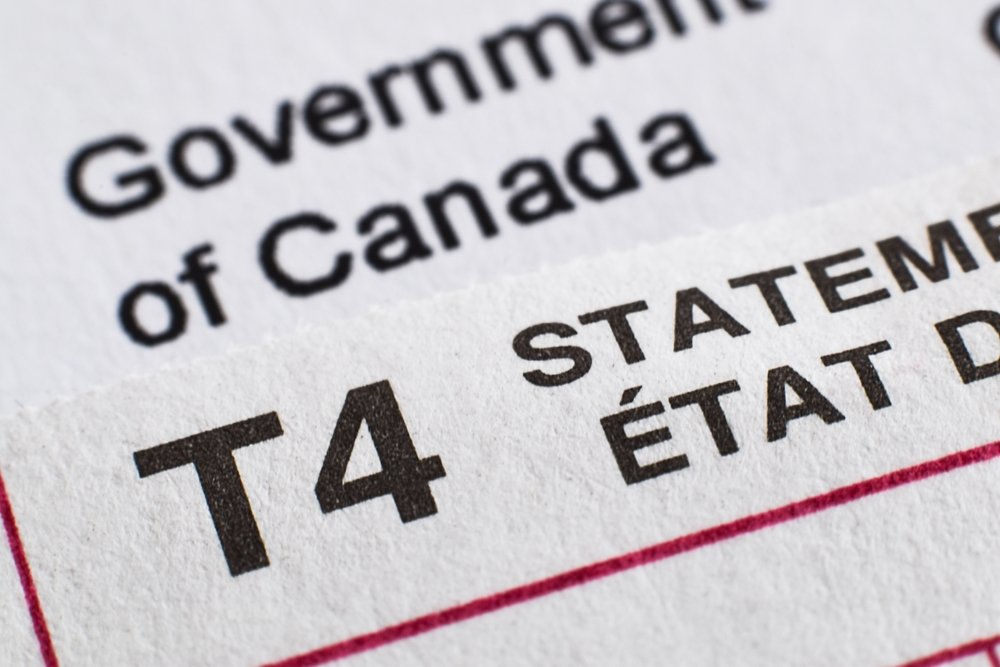
- Employment income (T4 slips)
- Pension income, including Canada Pension Plan, Old Age Security, employer pensions, and RRIF withdrawals (typically on T4A or other slips)
- Self‑employment and business income (detailed on accompanying schedules)
- Rental income from real estate
- Interest, dividends, and other investment income (for example, T5 and T3 slips)
- Capital gains and losses from the sale of shares, real estate, or other capital property
- Other income such as tips, certain benefits, and foreign income
Failing to report slips or income from any source can lead to reassessments, penalties, and interest. BOMCAS Canada uses your slips, statements, and records to ensure income is fully and accurately captured.
How to File Your Personal Tax Return in Canada
Canadians have several options for filing:
- Electronic filing using certified software (NETFILE‑compatible)
- Using a professional tax preparer or accounting firm, which may file electronically through professional channels
- Paper filing, by mailing a completed return (less common and often slower)
Most taxpayers now benefit from faster assessments and refunds when filing electronically and signing up for direct deposit. BOMCAS Canada prepares and files returns electronically on your behalf, tracks assessments, and helps address any CRA correspondence that follows.
Record‑Keeping and Documentation: The Six‑Year Rule
Taxpayers are required to keep complete and accurate records supporting everything reported on their tax returns. As a general guideline:
- Keep records for at least six years from the end of the tax year they relate to.
- If you file late or are involved in an objection or appeal, you may need to retain records longer.
- For capital property (such as real estate or investments), keep purchase, improvement, and sale records for as long as you own the asset and for several years after sale, so you can justify your adjusted cost base and gain or loss.
Important documents include:
- Tax slips (T4, T5, T3, T4A, etc.)
- Receipts for deductions and credits (RRSP contributions, medical expenses, charitable donations, childcare, tuition, etc.)
- Bank and investment statements
- Loan and mortgage documents
- Business and rental records, if applicable
BOMCAS Canada helps clients implement sensible record‑keeping systems—paper, digital, or hybrid—so that if the tax authorities request documentation or initiate an audit, you are prepared.
Why Work with BOMCAS Canada for Personal Income Tax?
Canadian personal tax rules change frequently, and mistakes can be expensive. Partnering with BOMCAS Canada Accounting Firm gives you access to:
- Expert preparation and review of your T1 personal tax return
- Up‑to‑date knowledge of current federal and provincial tax brackets, credits, and benefits
- Strategic advice on using RRSPs, TFSAs, income splitting opportunities (where allowed), and timing of income and deductions
- Guidance for employees, professionals, self‑employed individuals, rental property owners, and investors
- Help dealing with reassessments, audit requests, and tax debt management
BOMCAS Canada’s goal is to keep you compliant, reduce your tax burden legally, and give you clarity and confidence about your overall tax position.
Contact BOMCAS Canada Accounting Firm
For professional help with your personal income tax in Canada—whether you need a straightforward return prepared or complex planning for multiple income sources—contact BOMCAS Canada Accounting Firm:
- Phone: 780‑667‑5250
- Email: info@bomcas.ca
- Website: https://bomcas.ca
BOMCAS Canada serves clients across Canada and is ready to help you navigate the 2025–2026 personal tax landscape with accuracy, efficiency, and personalized advice.






 View Our Location





 181 Meadowview Bay, Sherwood Park, AB T8H 1P7, Canada (Online Clients Only)